
D. J. Cottrell
D. J. Cottrell
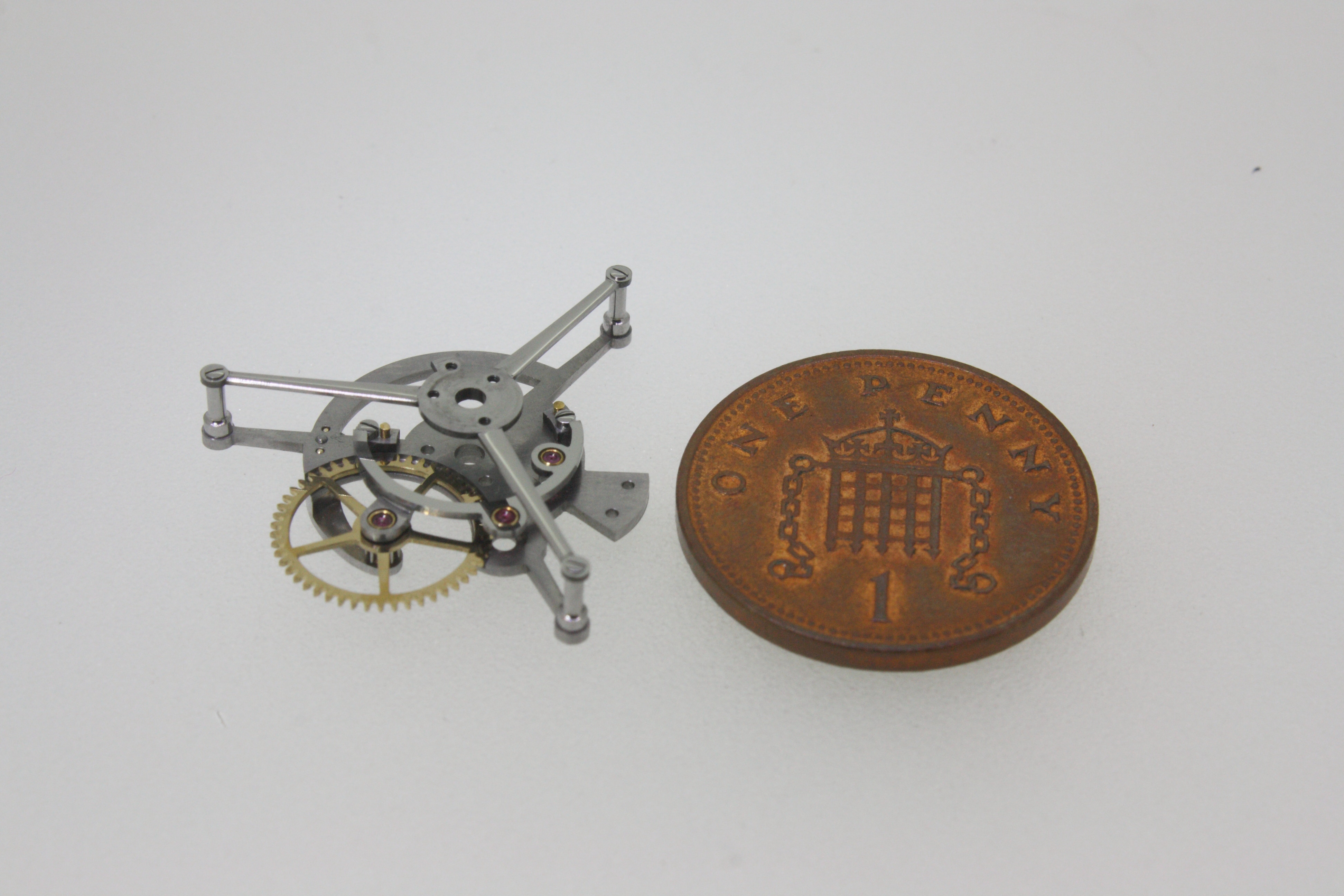
4 Minute Tourbillon

As a watchmaker in the full and original definition of the word, I create the designs and parts of my handmade watches, including every single screw, starting from raw materials. The only exceptions are the balance
spring and glass front. Working from my home workshop of circa 16 sq. meters in the heart of Somerset, United Kingdom, my working methods closely follow the Daniels method. The dragon engraving found on my timepieces, inspired by the coat of arms of Somerset, reflects my lifelong and personal connection to the area.
As a watchmaker in the full and original definition of the word, I create the designs and parts of my handmade watches, including every single screw, starting from raw materials. The only exceptions are the balance
spring and glass front. Working from my home workshop of circa 16 sq. meters in the heart of Somerset, United Kingdom, my working methods closely follow the Daniels method. The dragon engraving found on my timepieces, inspired by the coat of arms of Somerset, reflects my lifelong and personal connection to the area.
As a watchmaker in the full and original definition of the word, I create the designs and parts of my handmade watches, including every single screw, starting from raw materials. The only exceptions are the balance
spring and glass front. Working from my home workshop of circa 16 sq. meters in the heart of Somerset, United Kingdom, my working methods closely follow the Daniels method. The dragon engraving found on my timepieces, inspired by the coat of arms of Somerset, reflects my lifelong and personal connection to the area.
As a watchmaker in the full and original definition of the word, I create the designs and parts of my handmade watches, including every single screw, starting from raw materials. The only exceptions are the balance spring and glass front. Working from my home workshop of circa 16 sq. meters in the heart of Somerset, United Kingdom, my working methods closely follow the Daniels method. The dragon engraving found on my timepieces, inspired by the coat of arms of Somerset, reflects my lifelong and personal connection to the area.
As a watchmaker in the full and original definition of the word, I create the designs and parts of my handmade watches, including every single screw, starting from raw materials. The only exceptions are the balance spring and glass front. Working from my home workshop of circa 16 sq. meters in the heart of Somerset, United Kingdom, my working methods closely follow the Daniels method. The dragon engraving found on my timepieces, inspired by the coat of arms of Somerset, reflects my lifelong and personal connection to the area.As a watchmaker in the full and original definition of the word, I create the designs and parts of my handmade watches, including every single screw, starting from raw materials. The only exceptions are the balance spring and glass front. Working from my home workshop of circa 16 sq. meters in the heart of Somerset, United Kingdom, my working methods closely follow the Daniels method. The dragon engraving found on my timepieces, inspired by the coat of arms of Somerset, reflects my lifelong and personal connection to the area.
The concept behind my choice of a 4-minute tourbillon was inspired by an article originally written by Derek Pratt in which he mentioned that he had noted excessive wear of the escape wheels in his 1-minute tourbillions. He concluded this was due to the energy in the carriage, as it needs to be arrested at each moment of locking. Pratt’s article on this topic also made me reflect on the various tourbillons created by Breguet with much longer rotational rates than those seen as the norm today. As a result, the idea of making my 2nd pocketwatch with a ‘slow’ tourbillion came into being.
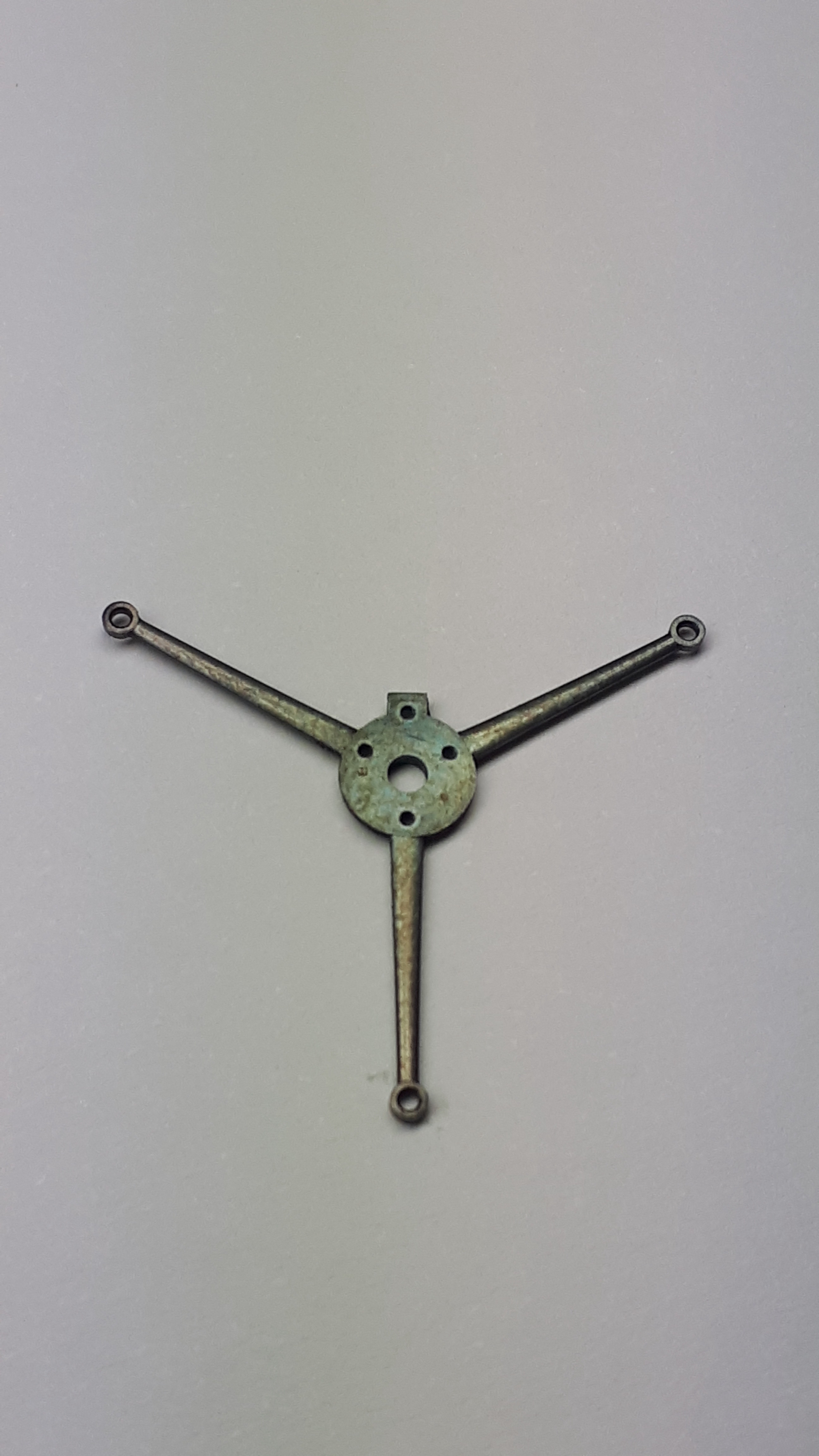
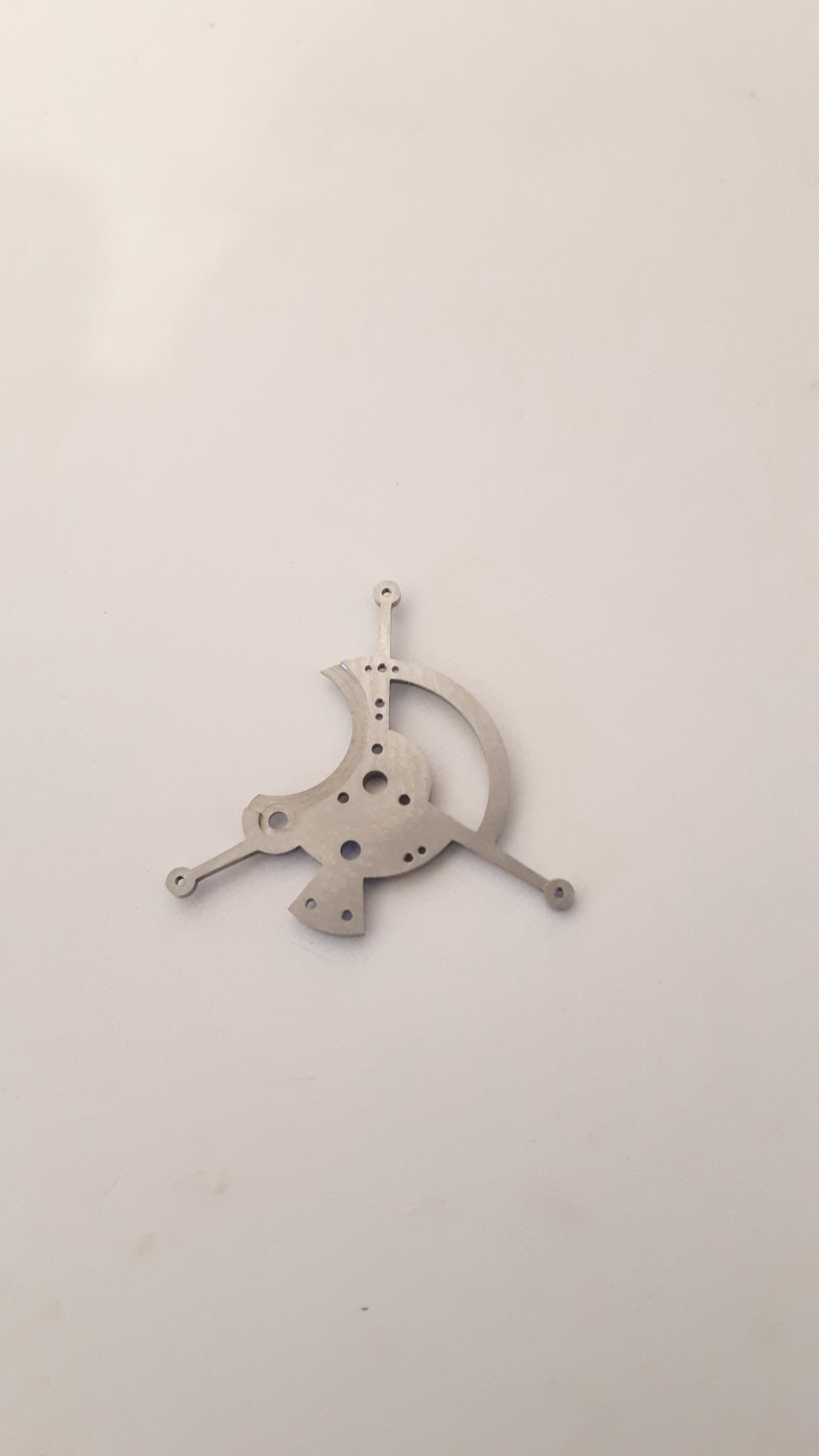
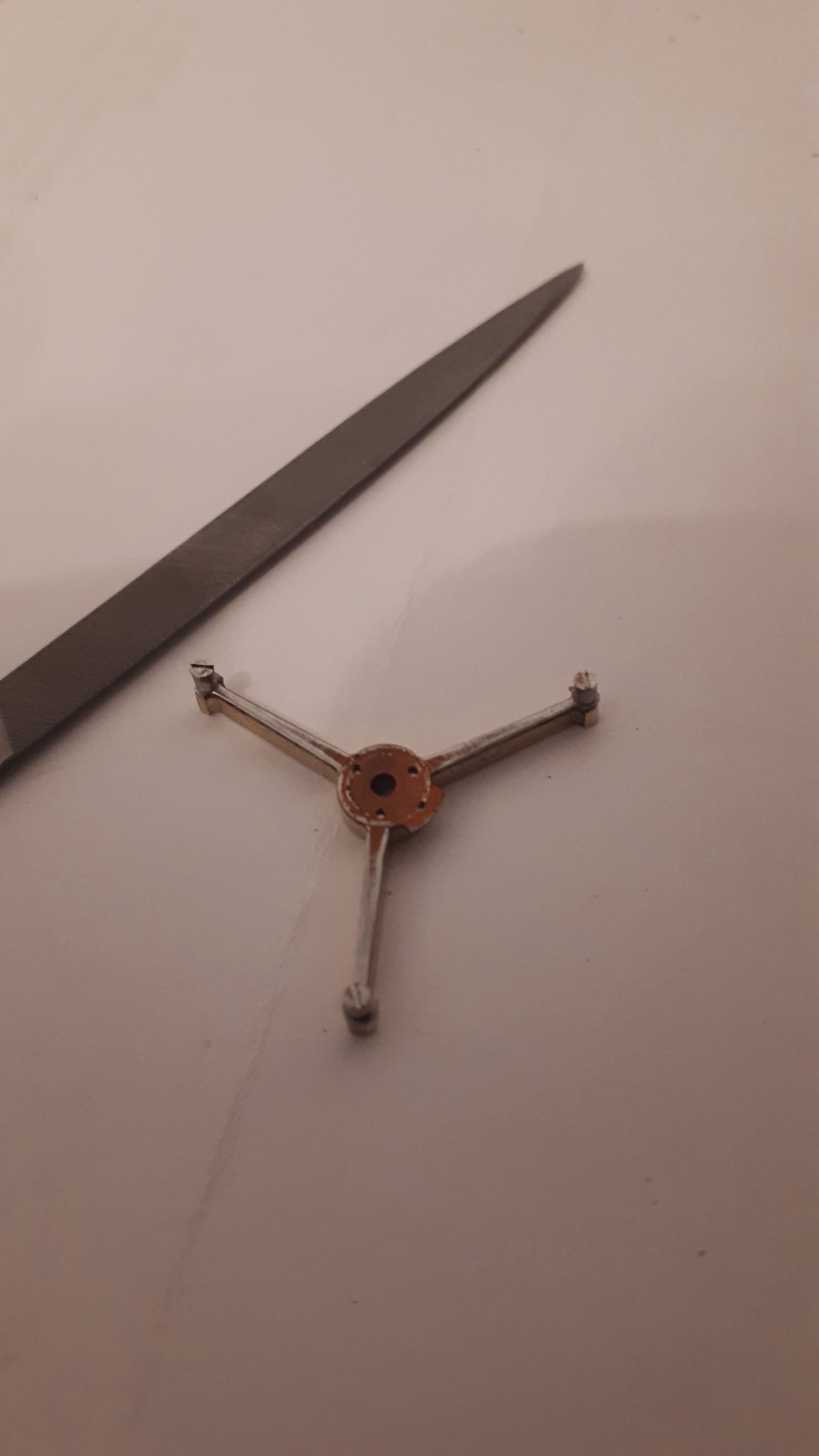
Physics provides the answer to solving this issue. If you delve into the physics of an object in motion, you will discover that the kinetic energy involved, (the work needed to accelerate a body from rest), is a product of mass and velocity squared, the key point here being the squaring of the velocity. Concerning the tourbillon carriage, this implies that it is a change in the velocity that has the greater impact on the energy of the tourbillon that has to be either arrested or accelerated in the first place. I knew that the Co-Axial escapement should be retained for my watch, though this time with a single piece escape wheel along the lines of that devised by Roger Smith, together with the advantages of twin barrels and of course an engine turned dial. The result of these physical restraints is the fact that although you can make the carriage (or any other moving part) lighter in an attempt to lower wear on the escape wheel, this approach will only take you so far. However, when you lighten the tourbillon carriage and also lower its rotational velocity from 1 minute to 4 minutes, (remember the aforementioned mass and velocity squared issue), the problems of wear on the Co-axial’s escape wheel are diminished whilst still retaining the positive effects of the classic tourbillon construction.
The vast majority of tourbillon wristwatches and pocketwatches created today utilize a carriage rotation of 60 seconds for mainly practical reasons, as this simplifies the indication of running seconds by merely attaching a hand to the top of the carriage and surrounding it with a seconds ring. Any other period of rotation will require additional gearing and this left me with design questions regarding how to drive the seconds hand of pocketwatch No. 2.
Traditionally such a solution takes the form of a set of teeth cut in the periphery of the carriage base to drive a pinion for the seconds hand. After going to the trouble of designing the train to slow the carriage to prevent wear and tear, it seemed a shame to add further mass at the periphery that would (even if only in a small way) add to the total inertia. Instead, I decided to drive the seconds hand from the carriage pinion with a type of motion work having 1:4 gearing.
